Data Science Literacy: Essential Skills for Every Major
Why data science is no longer just for computer scientists and how we're making it accessible to students across all disciplines.
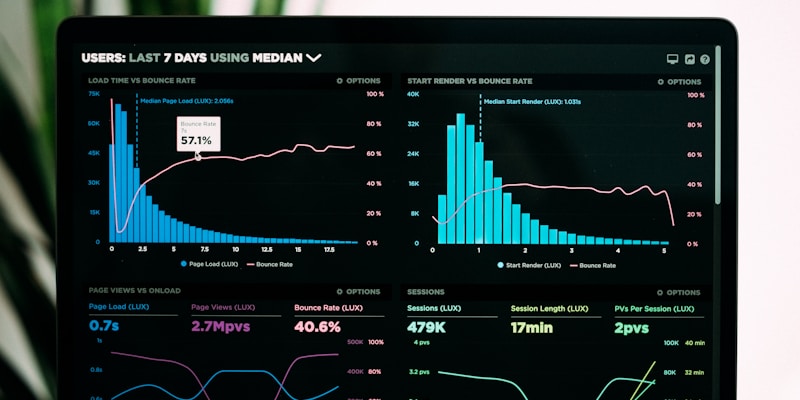
Data literacy is quickly becoming as fundamental as writing or mathematics. Yet just a few years ago, data science was seen as a specialized field for technical majors only. We're changing that narrative.
The Democratization of Data
Today's graduates, regardless of their field, need to understand data. Literature majors analyze text data, psychology students work with experimental data, business students forecast market trends, and art students create data visualizations.
Cross-Disciplinary Applications:
- Humanities: Text analysis of historical documents and literature
- Social Sciences: Survey analysis and demographic research
- Arts: Generative art and data-driven creative expression
- Business: Market analysis and decision science
Our University-Wide Initiative
Two years ago, we launched "Data Across the Curriculum," embedding data literacy modules in courses across every college. English students now analyze literary patterns using Python, while history students create interactive maps of demographic changes.
"When I realized I could use data science to analyze Shakespeare's writing style, it completely changed how I understood both literature and technology."
Building Foundational Skills
We start with the basics that every student needs: understanding data types, basic statistical concepts, visualization principles, and ethical considerations in data use.
Core Competencies:
- Data Collection: Understanding how data is gathered and its limitations
- Analysis: Basic statistical methods and pattern recognition
- Visualization: Creating clear, honest data representations
- Ethics: Privacy, bias, and responsible data use
Tools for Non-Technical Students
Not everyone needs to become a programmer. We've developed user-friendly tools and interfaces that allow students in any major to work with data effectively.
Our custom data analysis platform provides guided workflows for common tasks, while still allowing advanced students to work directly with code when they're ready.
Faculty Development
Integrating data literacy across disciplines required significant faculty development. We've trained over 200 professors to incorporate data analysis into their courses, regardless of their technical background.
Measuring Success
The results have been remarkable. Students report higher engagement, better job prospects, and increased ability to apply their learning to real-world problems. Faculty note deeper critical thinking and more sophisticated research projects.
The Future of Data Education
As AI and automation transform industries, data literacy becomes even more crucial. We're expanding our program to include advanced topics like machine learning ethics, data storytelling, and computational thinking.
Our goal is simple: every student should graduate with the confidence and ability to work with data, regardless of their major. In today's world, that's not just an advantage - it's essential.